





Relocating from Poland to the United States is an incredible adventure, offering new career opportunities, cultural experiences, and lifestyles. However, one of the biggest hurdles Polish expats face is adapting to the US tax system. The US tax structure is notoriously complex, highly decentralized, and vastly different from the Polish tax system (such as PIT-11 and PIT-37). To help you navigate your new financial environment, this article explains the three most critical IRS tax forms that Polish expats, freelancers, and investors must understand, and how bilingual Polish-English templates can protect you from costly errors.
1. Form W-8BEN: For Polish Residents with US-Source Income
If you are still living in Poland but earn income from US-based clients, companies, or digital platforms (like stock dividends, book royalties, or freelance contracts), you are a “non-resident alien” in the eyes of the IRS. By default, the US withholding tax on your income is 30%.
To avoid this high tax rate, you must submit Form W-8BEN to your US withholding agent. This form allows you to claim benefits under the US-Poland double tax treaty, which can reduce your withholding tax rate on dividends to 15% (or even 5%) and on royalties or interest to 0%. To fill this out accurately, downloading a bilingual Form W-8BEN in Polish (Editable DOCX / Interactive PDF) is highly recommended to ensure you understand every treaty claim requirement.
2. Form W-2: For Polish Expats Employed in the US
If you have moved to the US and are employed by an American company, you will receive a Form W-2 (Wage and Tax Statement) from your employer by January 31st of each year. This form outlines your total taxable earnings, federal income tax withheld, Social Security and Medicare taxes paid, and state or local tax details.
Understanding your W-2 is essential because the numbers on this form must match the data you enter on your annual tax return. If you find the boxes and codes confusing, our bilingual Form W-2 in Polish (Editable DOCX) serves as an excellent side-by-side reference guide to help you verify your earnings and withholdings.
3. Form 1040: Your Annual US Individual Income Tax Return
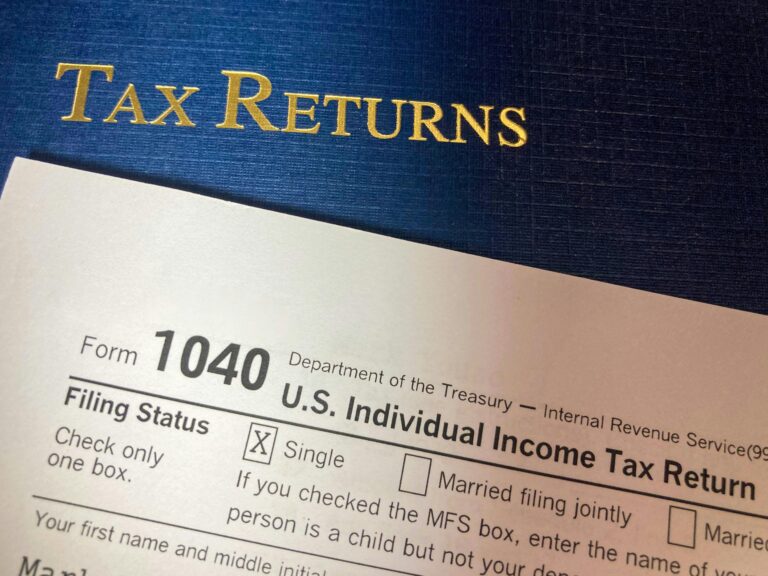
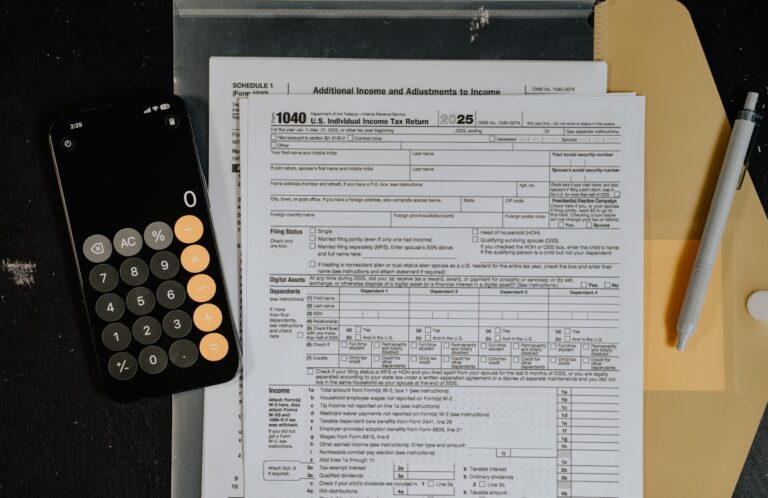
If you reside in the US (under a visa like H-1B, L-1, O-1, or as a green card holder), you are generally considered a “resident alien for tax purposes” and must file an annual tax return using Form 1040 by April 15th.
Form 1040 is where you calculate your final tax liability, claim deductions (such as the standard deduction), and apply for tax credits (like the Child Tax Credit). Because the form is dense and filled with complex tax terminology, using a bilingual Form 1040 in Polish (Editable DOCX / Interactive PDF) can help you understand exactly what information is required on each line, preventing errors that could trigger IRS audits or delay your refund.
Conclusion: Navigate US Taxes with Confidence
Filing taxes in a foreign country is always a challenge, but you don’t have to do it blindly. By utilizing professional Polish-English bilingual templates, you can bridge the language barrier, ensure compliance with IRS regulations, and maximize your tax savings. Browse our online store to find the exact editable tax form templates you need for a stress-free tax season!